

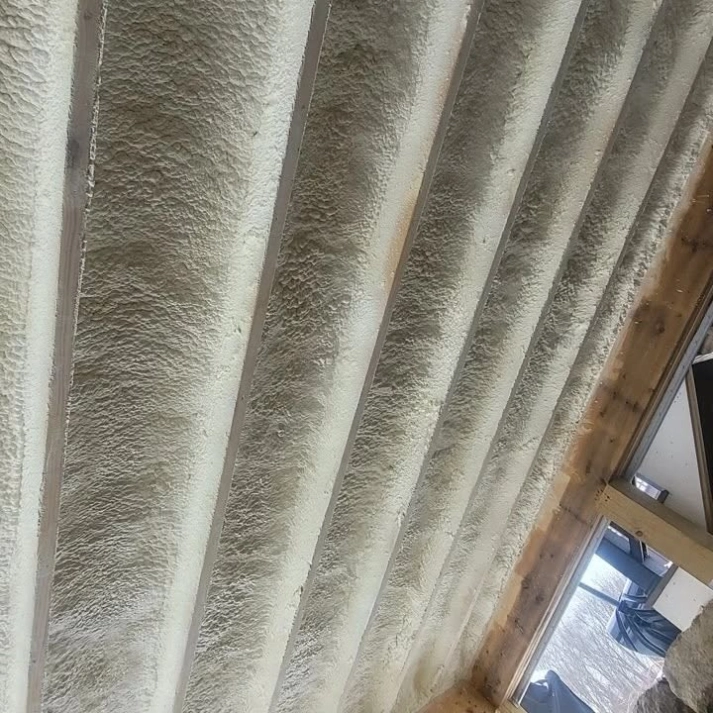
Imagine stepping into a home or workspace that stays perfectly draft-free and warm during freezing winters while keeping your energy bills surprisingly low. This ideal indoor comfort is easily achievable in Norfolk, MA, and surrounding areas when you choose closed-cell spray foam insulation from Coleman Spray Foam.
To protect your structure, lower your utility costs, and secure a free quote, contact us today at (781) 730-6537 or email [email protected].
When you want to protect your property from extreme weather, choosing high-density closed-cell spray foam is one of the smartest decisions you can make. This material is dense and rigid and acts as both an insulator and a water-resistant barrier. Unlike other options, it expands into a solid plastic that reinforces your walls' structural strength. This makes it highly effective for both residential and commercial structures facing high winds or heavy winter snow.
The solid nature of this material helps tie your building components together, making your walls more resistant to shearing and bending forces. This added strength is especially helpful for properties in coastal or windy areas where wind-driven rain can cause structural issues over time. Investing in this high-density barrier is a reliable way to preserve your property's integrity while enjoying a quieter, more secure indoor environment.
The secret to this material's performance lies in its density, which blocks heat transfer far better than traditional materials. The typical closed-cell spray foam insulation R-value averages 6.5 to 7 per inch, nearly double that of open-cell alternatives. This high thermal resistance allows you to achieve superior temperature control even in tight spaces where thicker insulation will not fit. Property owners in our region rely on this high rating to maintain stable indoor conditions year-round.
To help you understand how this compares to other common insulation materials, let us look at the thermal resistance and barrier properties of each option. Choosing the right material depends on your specific building needs and space limitations. The following table highlights the differences in thermal performance and moisture control.
| Insulation Material | Average R-Value Per Inch | Moisture Barrier Capabilities | Structural Reinforcement |
|---|---|---|---|
| Closed-Cell Spray Foam | 6.5 to 7.0 | Excellent (Built-in Vapor Barrier) | Yes (Adds Rigidity) |
| Open-Cell Spray Foam | 3.5 to 3.8 | None (Permeable to Water) | No (Flexible) |
| Blown Cellulose | 3.5 to 3.8 | None (Absorbs Moisture) | No |
| Fiberglass Batts | 3.0 to 3.5 | None (Prone to Air Gaps) | No |
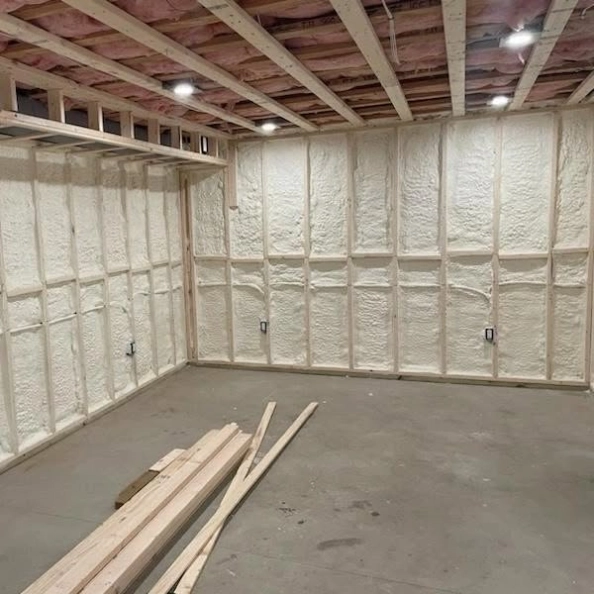
Heating and cooling costs can quickly drain your budget if your building lacks proper air sealing. Because this expanding barrier fills every tiny crack, it completely stops air leakage. This shield prevents drafts from entering your living spaces while stopping conditioned air from escaping. By sealing these gaps, your heating and cooling systems do not have to work nearly as hard to maintain a comfortable temperature.
Achieving true energy efficiency with closed-cell spray foam can lead to a significant drop in your monthly utility costs. According to research published by the U.S. Department of Energy, homeowners and business owners can save up to 20% on heating and cooling costs by air sealing and adding insulation. These savings add up quickly over years of ownership, helping the insulation pay for itself while lowering your carbon footprint.
Investing in high-quality insulation offers advantages that go far beyond simple temperature regulation. The benefits of closed-cell spray foam include moisture rejection, which stops mold and mildew growth in its tracks by preventing condensation. It also acts as an effective barrier against pollen, dust, and outdoor pests, helping to keep your indoor air clean and healthy. Additionally, its dense structure helps block out unwanted street noise and wind.
Here is a quick look at the advantages this material brings to residential and commercial owners:
Some areas of a building are more prone to energy loss and moisture issues than others. Professional installation of closed-cell foam insulation is ideal for challenging spaces that are directly exposed to outdoor elements. Because it does not absorb water, it works perfectly in below-grade environments and exposed framing. This durability makes it a preferred choice for long-term protection against the elements.
We perform this service across a wide variety of spaces, including:
Norfolk, MA, experiences a wide range of weather patterns, from humid, hot summers to freezing winters with heavy snowfall. These shifts in temperature and humidity can place significant stress on local buildings, leading to structural movement and high energy bills. High-performance insulation prevents indoor drafts, reduces moisture buildup from coastal air, and protects homeowners and business owners from the elements.
Because our local water table can cause dampness in basements and crawl spaces, using a water-resistant material is critical. This high-density barrier keeps seasonal moisture from penetrating your foundation walls and floor joists. Protecting your property with a durable seal ensures that your indoor air quality remains fresh and clean, no matter how harsh the external weather becomes.
Ready to make your property more energy efficient and comfortable throughout the entire year? We proudly serve residential and commercial owners in Norfolk, MA, and surrounding areas, including Newton, Lexington, Concord, Lincoln, Dover, Medfield, Sharon, Sherborn, Needham, and Wellesley, with reliable closed-cell spray foam solutions.
Contact Coleman Spray Foam today at (781) 730-6537 or email [email protected] to speak with our team and secure your free quote.
Its dense, water-resistant structure prevents liquid water and humid air from passing through, stopping mold and mildew before they can start.
Most projects are completed in one to two days, though the exact timeline depends on the size of the area being insulated.
When properly installed, closed-cell spray foam provides long-lasting insulation performance and maintains its structure without sagging, settling, or losing effectiveness over time.
Yes, closed-cell spray foam has moisture-resistant properties that help protect buildings from water intrusion, condensation issues, and potential mold or mildew growth.
Yes, its dense structure helps create a protective barrier against temperature fluctuations, moisture, drafts, and outdoor conditions year-round.